
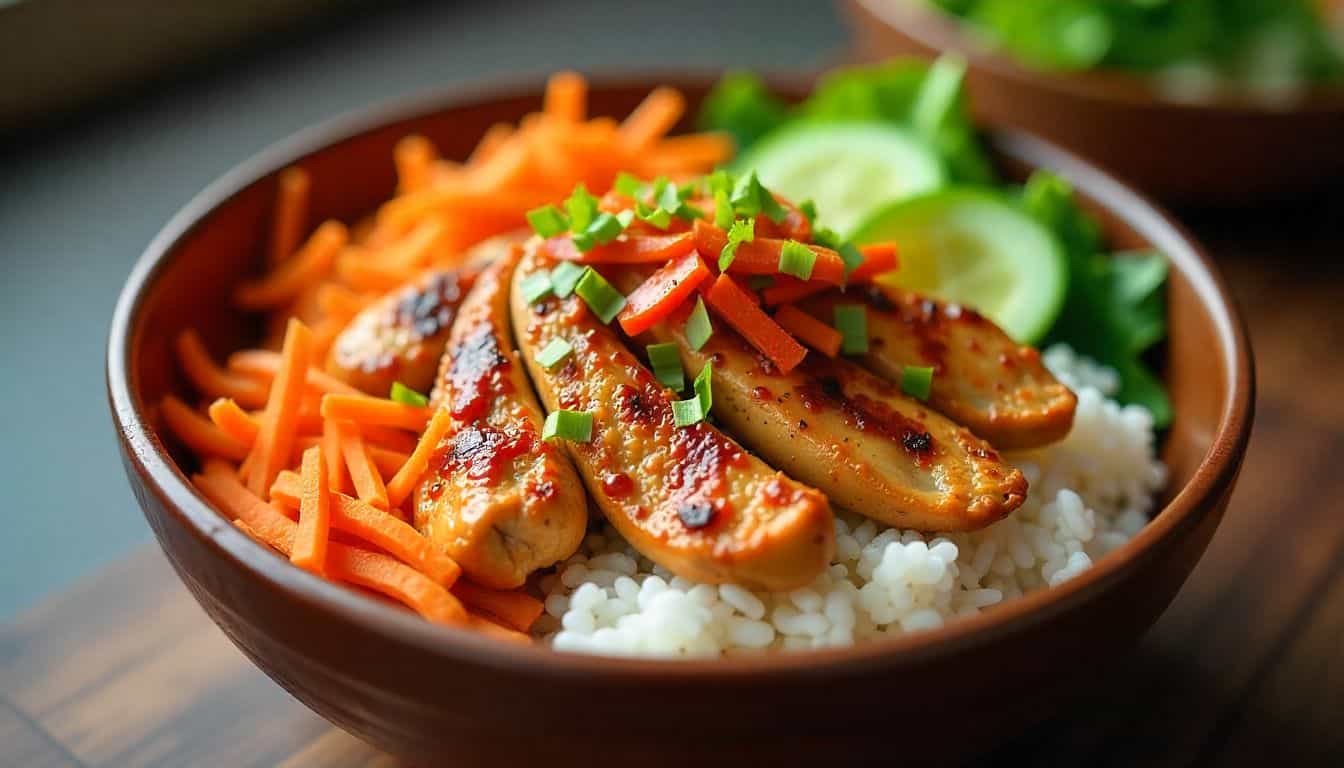
Explore the best Bibbop chicken recipes—from classic Korean-style bowls to easy copycat Bibibop chicken at home. Learn sauces, tips, nutrition, and FAQs.
Introduction
Inspired by Korean bibimbap, these bowls combine marinated chicken, rice, vegetables, and sauce into a dish that feels complete without being heavy.
What makes Bibbop chicken recipes appealing is their simplicity—you get restaurant-style results with everyday ingredients.
What Are Bibbop Chicken Recipes?
Bibbop chicken recipes are rice bowl meals inspired by Korean bibimbap but simplified for modern kitchens.
Instead of multiple proteins, these bowls focus on marinated chicken served with rice and vegetables. The ingredients are usually arranged in sections, allowing each flavor to stand out.
Unlike traditional bibimbap, Bibbop chicken recipes are quicker to prepare and easier to customize. You can adjust spice levels, swap grains, or add vegetables based on preference.
That flexibility makes these recipes popular with home cooks.
Why Bibbop Chicken Is So Flavorful
The strength of Bibbop chicken recipes lies in balance. The marinade delivers salty, savory, slightly sweet notes, while fresh vegetables add texture and contrast.
Key flavor drivers include:
- Soy sauce or tamari for umami
- Sesame oil for richness
- Garlic and ginger for depth
- Gochujang for controlled heat
When cooked properly, the chicken stays juicy and lightly caramelized. Paired with rice and crisp vegetables, this recipe avoids heaviness while remaining deeply satisfying.
Key Ingredients for the Perfect Bibbop Chicken Bowl
Below is a clear breakdown of the essential components used in most Bibbop chicken recipes.
Core Ingredients Table
| Category | Ingredients | Purpose |
|---|---|---|
| Protein | Chicken thighs or chicken breast | Juicy, flavorful base |
| Marinade | Soy sauce, sesame oil, garlic, ginger, gochujang | Seasoning & depth |
| Base | White rice, brown rice, cauliflower rice | Structure & satiety |
| Vegetables | Carrots, cucumbers, spinach, bean sprouts, kimchi | Texture & freshness |
| Sauce | Gochujang sauce or soy-sesame sauce | Final flavor layer |
Choosing quality ingredients is what separates average bowls from great recipes.
Step-by-Step at Home
This method forms the foundation of most successful recipes.
Step 1: Marinate the Chicken
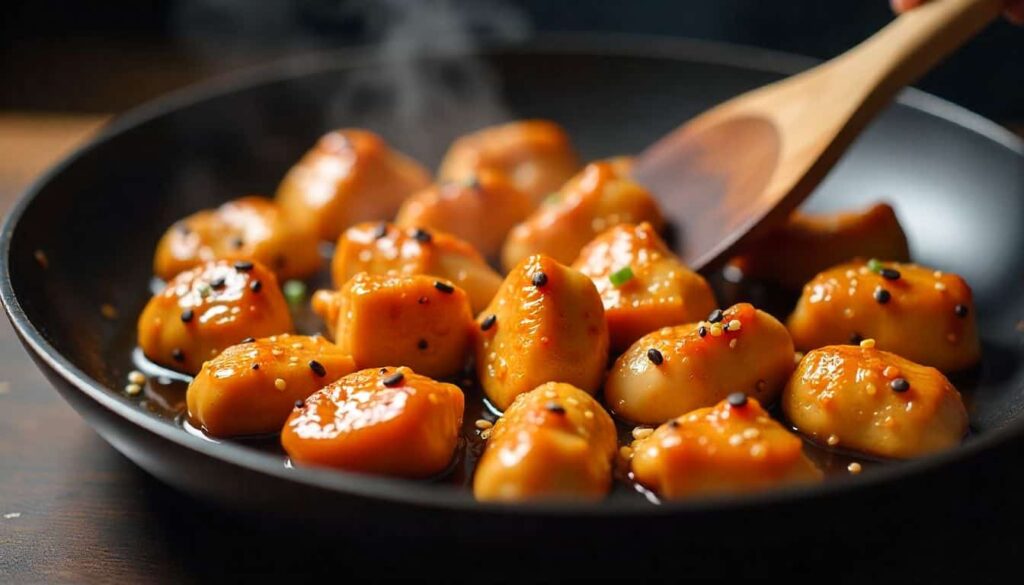
Slice chicken into bite-size pieces. Combine soy sauce, sesame oil, garlic, ginger, and optional gochujang. Toss well and marinate for 20–30 minutes.
Step 2: Cook the Chicken
Heat a skillet or grill pan over medium-high heat. Cook the chicken in a single layer, letting it sear before turning. Cook until caramelized and fully done.
Step 3: Prepare the Rice
Cook rice according to package instructions. Fluff while warm to keep the grains light and separate.
Step 4: Prepare the Vegetables
Slice raw vegetables thinly. Lightly sauté spinach or bean sprouts if preferred, but keep some vegetables raw for crunch.
Step 5: Assemble the Bowl
Layer rice, chicken, and vegetables. Finish with sauce. Mix just before eating for the best texture.
This structure works for nearly all Bibbop chicken recipes and allows easy customization.
Best Bibbop Chicken Variations You Should Try
One of the biggest advantages of Bibbop chicken recipes is adaptability.
Popular Variations Table
| Variation | How to Adjust | Best For |
|---|---|---|
| Spicy Bibbop Chicken | Extra gochujang, chili flakes | Heat lovers |
| Healthy Bibbop Chicken | Grilled breast, brown rice | Clean eating |
| Low-Carb Bowl | Cauliflower rice or greens | Low-carb diets |
| Korean BBQ-Style | Add honey or pear juice | Sweeter flavor |
| Vegetarian Bowl | Swap chicken for tofu | Plant-based diets |
These variations keep Bibbop chicken recipes interesting without changing the core technique.

Nutrition Facts & Health Benefits
Bibbop chicken recipes are naturally balanced meals. Chicken provides lean protein, vegetables add fiber and micronutrients, and rice supplies energy.
Approximate Nutrition Breakdown (Per Bowl)
| Nutrient | Estimated Amount |
|---|---|
| Calories | 450–600 kcal |
| Protein | 30–40 g |
| Carbohydrates | 45–65 g |
| Fat | 12–20 g |
| Fiber | 6–10 g |
Using grilled chicken, moderate sauce, and plenty of vegetables makes recipes suitable for weight management and active lifestyles. Many versions can be made gluten-free by using tamari.

Frequently Asked Questions
What is Bibbop chicken?
It’s marinated chicken served in a Korean-inspired rice bowl with vegetables and sauce.
Are Bibbop chicken recipes spicy?
They can be, but the spice level is adjustable.
Can Bibbop chicken recipes be meal-prepped?
Yes. Store chicken, rice, and vegetables separately for best texture.
What sauce works best?
Gochujang-based or soy-sesame sauces are most common.
Are Bibbop chicken recipes healthy?
Yes. They’re balanced, protein-rich, and easy to portion correctly.

Conclusion
Bibbop chicken recipes work because they’re practical, flexible, and flavorful. They don’t rely on trends or gimmicks—just solid ingredients and smart preparation. Once you understand the base method, you can build endless variations.
For busy cooks, health-focused eaters, or anyone who loves bowl meals, Bibbop chicken recipes deserve a regular spot in your kitchen.

Hi, I’m Sidra Asif, the heart behind Chicken Bites. Cooking has been my lifelong passion, sparked by the magical meals I watched my mother create in our family kitchen. Over the years, I’ve explored diverse cuisines, earned a diploma in Culinary Arts, and refined my skills in professional kitchens—learning the art of flavor pairing, presentation, and creativity.
Through Chicken Bites, I share my favorite recipes, cooking tips, and culinary adventures to inspire home cooks to turn everyday ingredients into extraordinary meals. Join me on this flavorful journey where tradition meets innovation, and every dish is made with love! 🍗✨